
Balloon Occlusion Test
Advanced Neurovascular Assessment Before Artery Closure
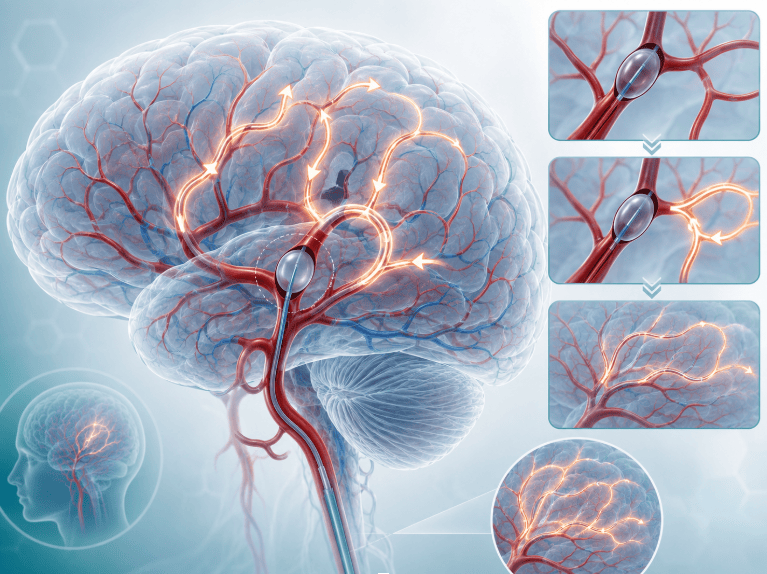
Balloon Occlusion Test is an advanced endovascular procedure used to check whether the brain can safely receive blood from alternate vessels if one major artery needs to be blocked during treatment. It is commonly advised before procedures for giant carotid aneurysms, skull-base tumors, carotid artery involvement in head and neck cancers, or complex vascular conditions where artery sacrifice may be required. The test helps reduce the risk of stroke by assessing collateral blood circulation before permanent vessel closure.
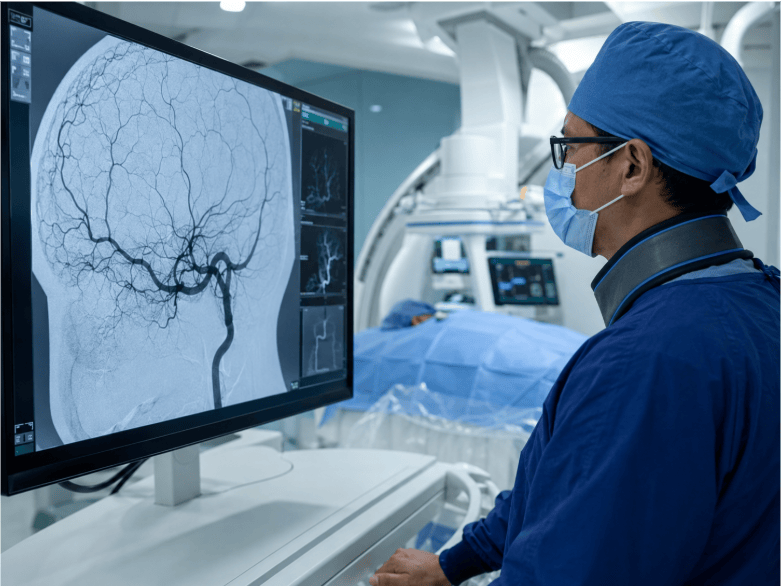
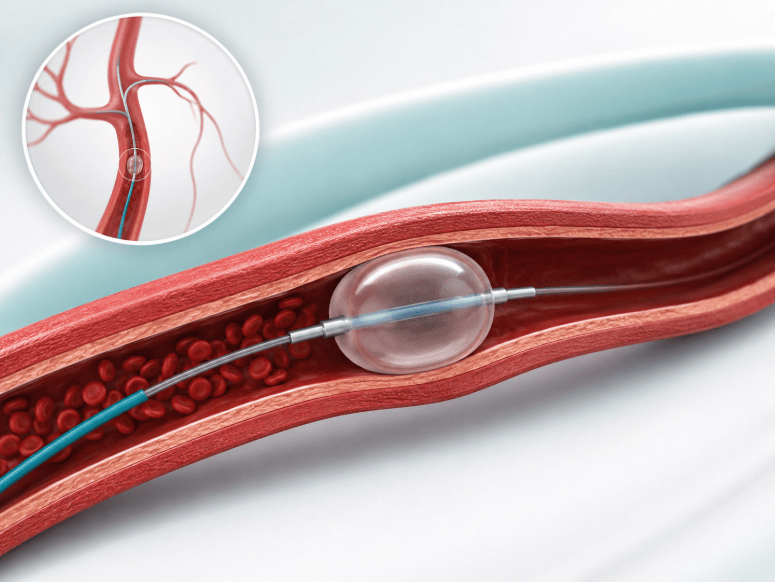
During the procedure, a small catheter is inserted through the blood vessel and a temporary balloon is inflated inside the target artery. The patient is closely monitored through neurological examination, angiography, blood pressure challenge, and advanced imaging support. If the brain tolerates temporary blockage safely, permanent occlusion or other treatment planning may be considered. If not, alternative options such as bypass, stenting, flow-diversion, or vessel-preserving treatment may be recommended.
Treatment Approach
Balloon Occlusion Test is not a final treatment by itself. It is a decision-making test that helps doctors choose the safest treatment plan for complex aneurysms, tumors, or vascular disease. Based on the result, treatment may include permanent artery occlusion and the reconstructive endovascular treatment, bypass surgery, or continued vessel-preserving management.
FAQs
Usually, it is done under local anaesthesia with close monitoring. Mild discomfort at the catheter entry site may occur.
The procedure usually takes around 1 hour, with additional observation after the test.
Being awake helps doctors check speech, strength, vision, and alertness during temporary artery blockage.
It helps estimate stroke risk before planned artery closure, but no test can remove risk completely.