Acute Stroke Therapy
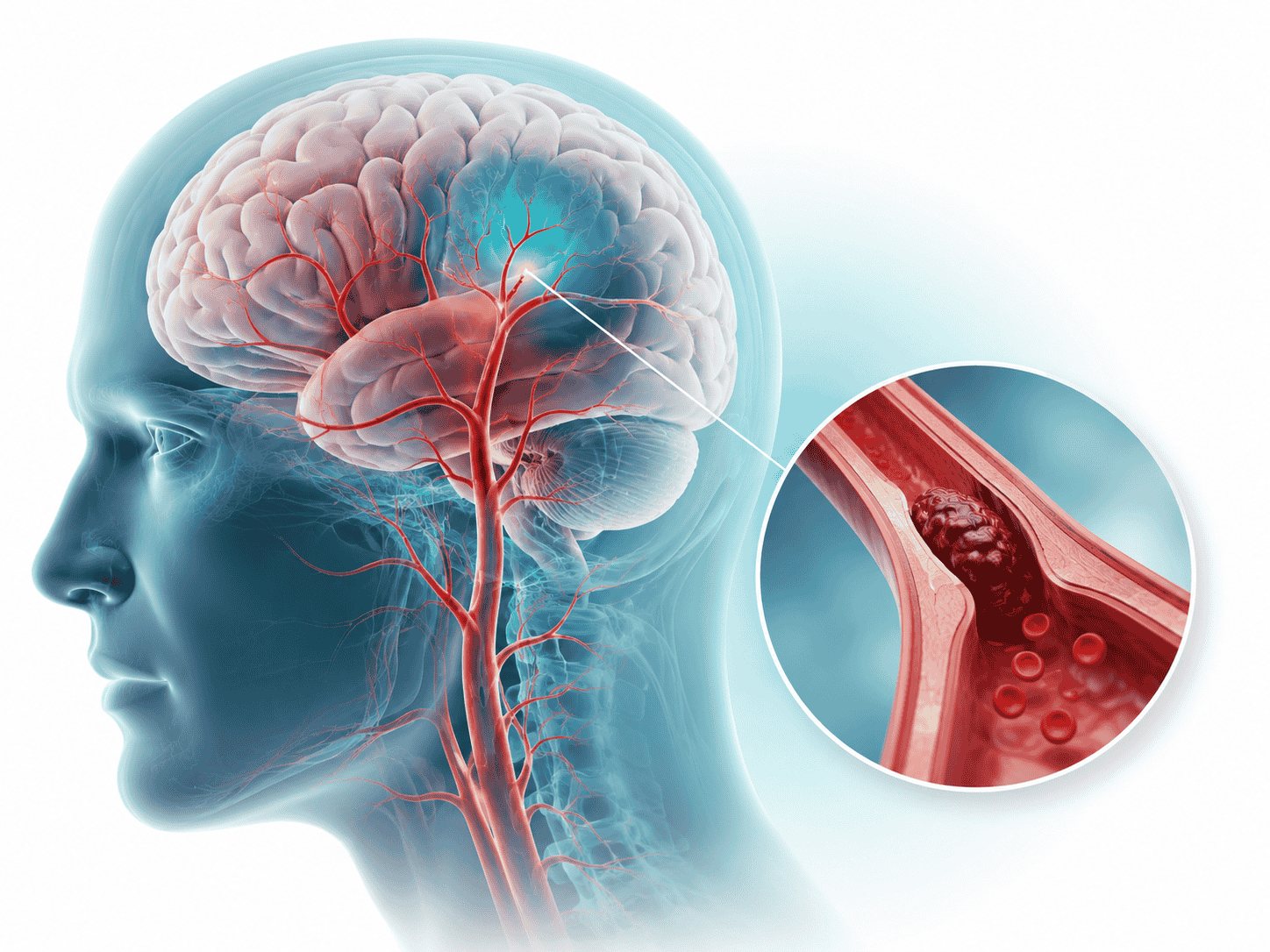
Stroke is a medical emergency caused by interruption of blood flow to the brain. Early diagnosis and immediate treatment are critical to reduce brain damage, disability, and life-threatening complications.
Recognize Stroke Early – FAST Warning Signs
F – Face Drooping
Sudden facial weakness or uneven smile
A – Arm Weakness
Weakness or numbness in the arm or leg
S – Speech Difficulty
Slurred speech or difficulty speaking
T – Time Matters
Reach a Stroke Centre immediately without delay
Advanced Stroke Diagnosis
Rapid evaluation is performed using advanced imaging technologies such as:
Non-Contrast CT Scan
CT Angiography (CTA)
MRI & MR Angiography
Brain Perfusion Imaging
AI-Assisted Stroke Imaging Analysis
These technologies help identify:
Brain hemorrhage
Blocked blood vessels
Brain tissue at risk
Eligibility for emergency stroke treatment
Advanced Acute Stroke Treatment
IV Thrombolysis
Clot-dissolving medication may be given in selected patients arriving early after stroke onset.
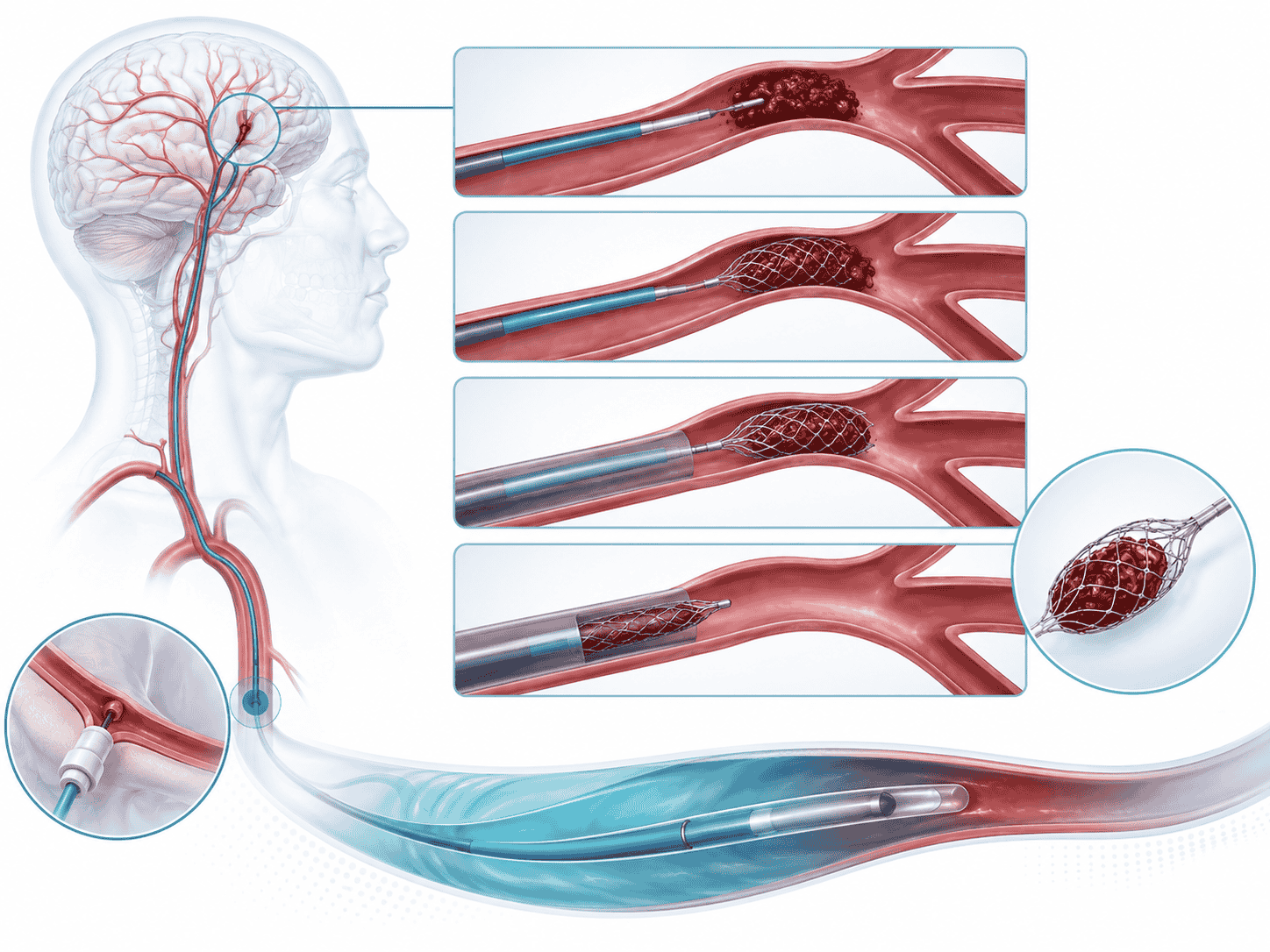
Mechanical Thrombectomy
Advanced minimally invasive clot removal procedure performed using:
Stent Retriever Technology
Large Bore Aspiration Catheters
Real-Time Biplane Neuroangiography Guidance
Save brain tissue
Reduce paralysis and disability
Improve recovery outcomes
Prevent long-term neurological damage
Dr. Sukalyan Purkayastha provides advanced acute stroke therapy and mechanical thrombectomy using modern neurovascular technology, rapid diagnosis protocols, and precision-based minimally invasive treatment.
Therapy / Treatment
Stroke treatment depends on whether the stroke is ischemic or hemorrhagic.
In ischemic stroke, the goal is to restore blood flow quickly.
Selected patients may receive clot-dissolving medicine within the treatment window.
In large vessel blockage, mechanical thrombectomy may be performed to remove the clot.
CT, CTA, MRI, and perfusion imaging help decide the best treatment quickly.
Time is critical — earlier treatment can save brain tissue and reduce disability.
FAQs
FAST means Face drooping, Arm weakness, Speech difficulty, and Time to reach a stroke centre.
It is a minimally invasive procedure where a catheter is used to remove a clot from a blocked brain artery.
Yes, selected patients may still benefit from advanced imaging-based treatment, including thrombectomy.
Do not wait at home. Take the patient to a stroke-ready hospital immediately.