Dr. Sukalyan

🔥MD, DM — Head of Neurointervention & Endovascular Surgery🔥

Mail Us

Info@domain.com

Call Us

(+021) 2336 278

×

Book an Appointment

Fill out the form below and our team will contact you shortly.


    DURAL ARTERIOVENOUS FISTULA

    Dural Arteriovenous Fistula (DAVF) Treatment

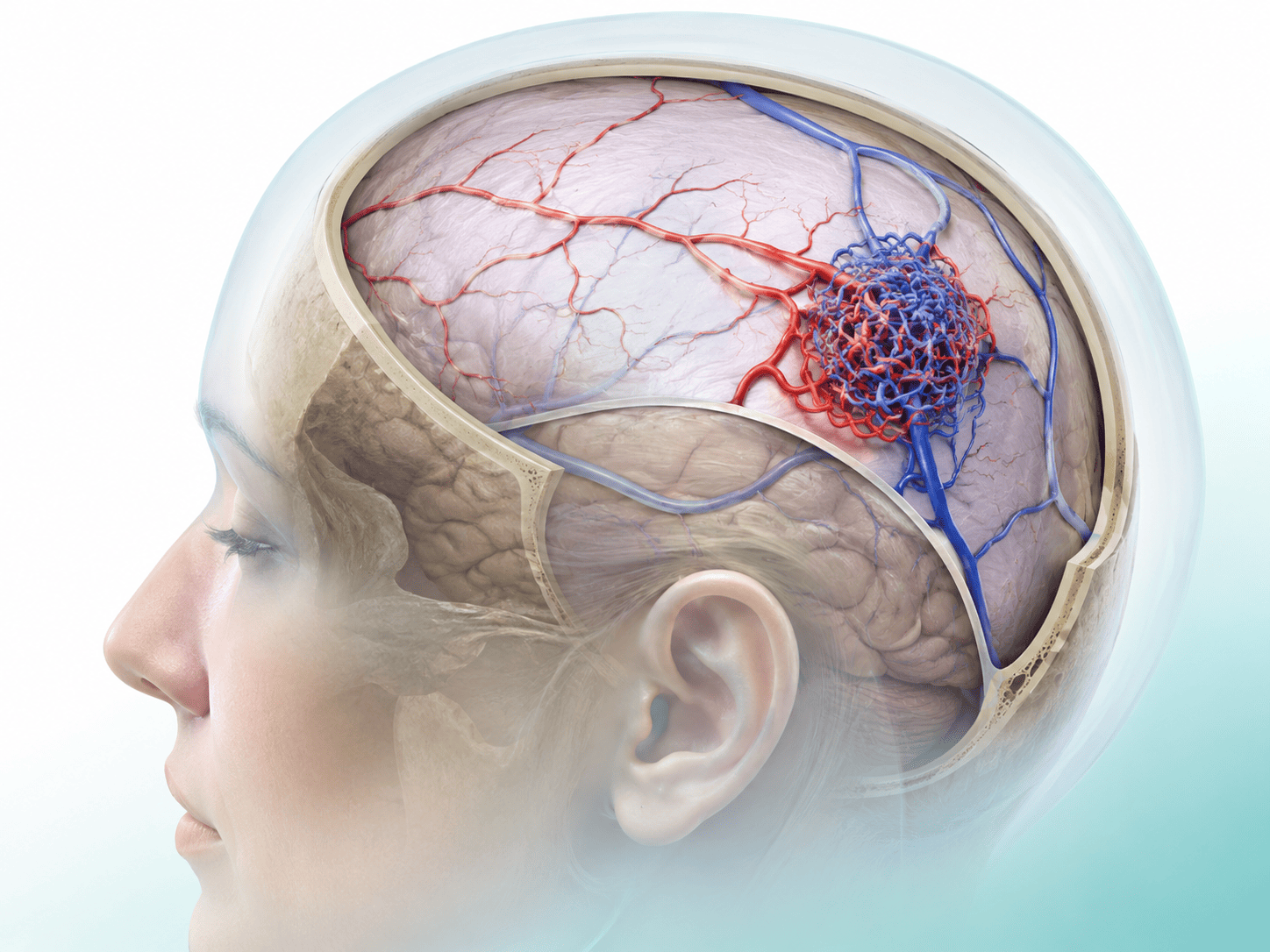
    Dural Arteriovenous Fistulae (DAVF) are abnormal connections between arteries and veins within the covering of the brain or spine. These abnormal high-flow connections can increase pressure inside veins and may lead to serious neurological complications if left untreated.

    Common Symptoms

    Patients may experience:

    ⚪Persistent headache

    ⚪Pulsating sound in the ear (Pulsatile Tinnitus)

    ⚪ Seizures

    ⚪Weakness or stroke-like symptoms

    ⚪Vision or cranial nerve problems

    ⚪Intracranial bleeding

    ⚪Neurological decline

    Advanced Diagnosis & Imaging Technology

    DAVFs are diagnosed using advanced neurovascular imaging techniques such as:

    ⚪MRI / MRA Brain & Spine

    ⚪CT Angiography

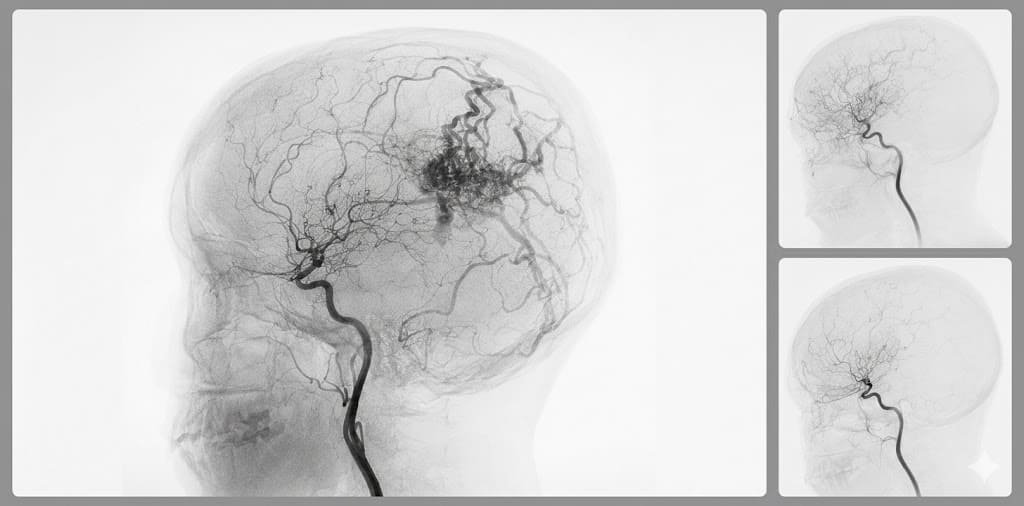
    ⚪Digital Subtraction Angiography (DSA)

    ⚪3D Rotational Angiography

    ⚪Flat Panel Neuroangiography Technology

    These latest imaging technologies help precisely identify abnormal blood flow patterns and assess the risk of bleeding.

    Latest Minimally Invasive Treatment

    Treatment is commonly performed using advanced endovascular neuro-interventional techniques under general anesthesia.

    Modern Treatment Technologies Include:

    ⚪High-resolution Biplane Neuroangiography Systems

    ⚪Microcatheter Navigation Technology

    ⚪ONYX & N-BCA Liquid Embolization

    ⚪Transarterial Embolization

    ⚪Transvenous Embolization

    ⚪Real-time Fluoroscopic Guidance

    A microcatheter is carefully guided to the fistula site, where specialized embolic agents are used to block the abnormal connection while preserving normal blood flow.

    Benefits of Advanced Endovascular Treatment

    ⚪Minimally invasive procedure

    ⚪Reduced risk compared to open surgery

    ⚪Faster recovery time

    ⚪Precision-guided treatment

    ⚪Improved safety and outcomes

    ⚪Improved safety and outcomes

    Some complex DAVFs may require staged treatment procedures and close neurocritical care monitoring.

    Dr. Sukalyan Purkayastha provides advanced diagnosis and minimally invasive treatment for Dural Arteriovenous Fistulae using modern neurovascular technology, precision care, and patient-focused treatment planning.

    Therapy / Treatment

    ⚪Treatment depends on the location, blood flow pattern, and bleeding risk.

    ⚪High-risk DAVFs are commonly treated using endovascular embolization.

    ⚪A microcatheter is guided to the fistula site through the artery or vein.

    ⚪Liquid embolic agents such as ONYX or N-BCA may be used to block abnormal flow.

    ⚪Some complex cases may need staged treatment or surgery.

    FAQs

    Is DAVF serious?

     Some DAVFs are low-risk, but those with backward flow into brain veins can cause bleeding or neurological problems.

    What symptoms should not be ignored?

     Pulsatile tinnitus, headache, seizures, weakness, or sudden neurological symptoms need medical attention.

    Can DAVF be treated without open surgery?

    Yes. Many DAVFs can be treated through minimally invasive endovascular embolization.

    Scroll to Top