
 Brain aneurysms
Arteriovenous malformations (AVM)
Carotid artery narrowing (stenosis)
Spinal vascular malformations
Blood vessel abnormalities in the brain and spine
A small catheter is inserted through the groin artery or vein
The catheter is guided safely to the blood vessels supplying the brain or spine
Contrast dye is injected to visualize blood flow
High-speed X-ray images and 3D angiography are performed for detailed evaluation
The procedure typically takes 15–45 minutes depending on the area being examined.
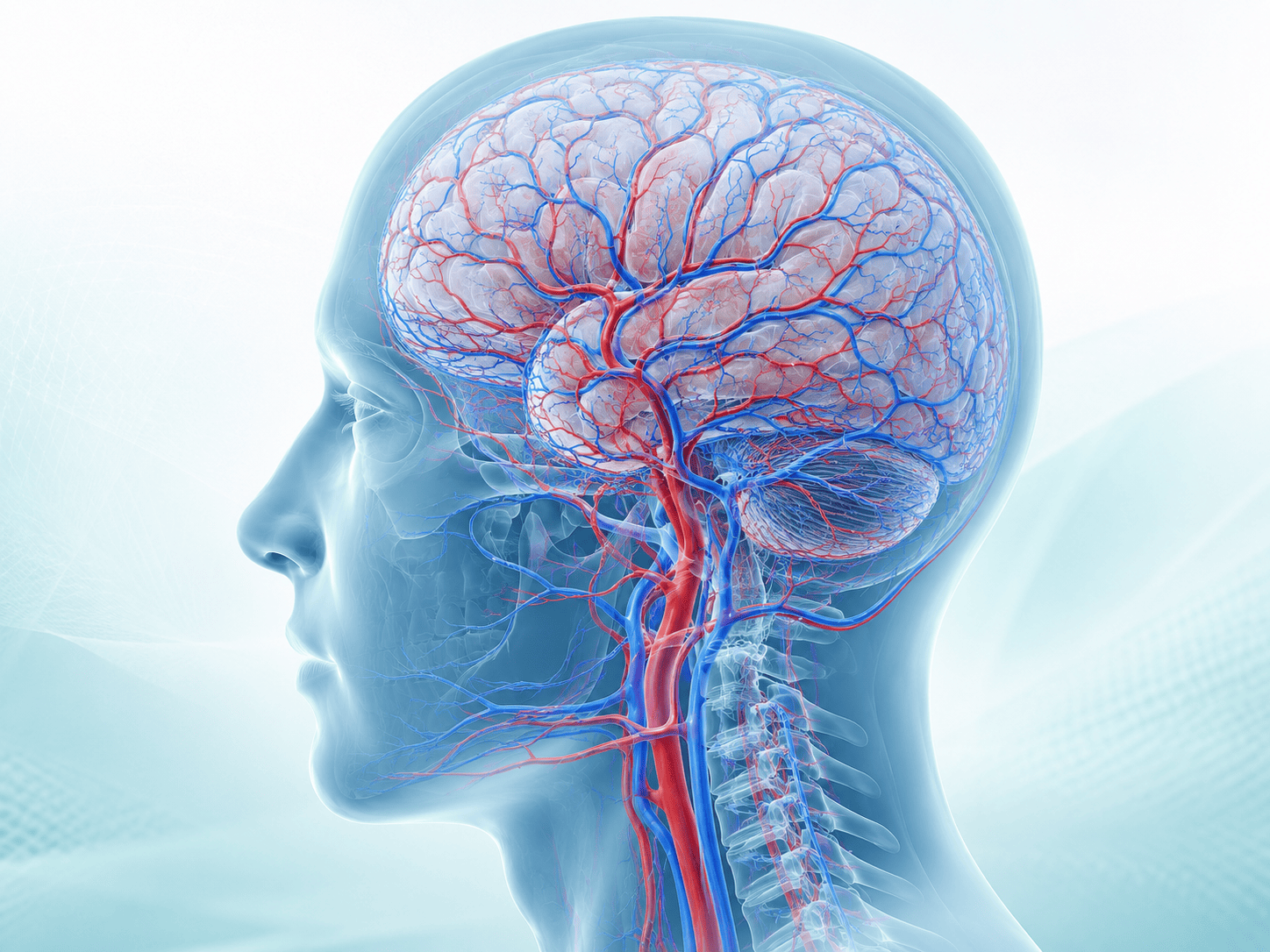

Most patients are discharged within 12 hours
Patients are advised to avoid heavy lifting for 7–10 days
Swimming and strenuous activities should be avoided for a few days.
Diagnostic angiography is considered a safe and highly accurate procedure when performed by experienced neurovascular specialists.
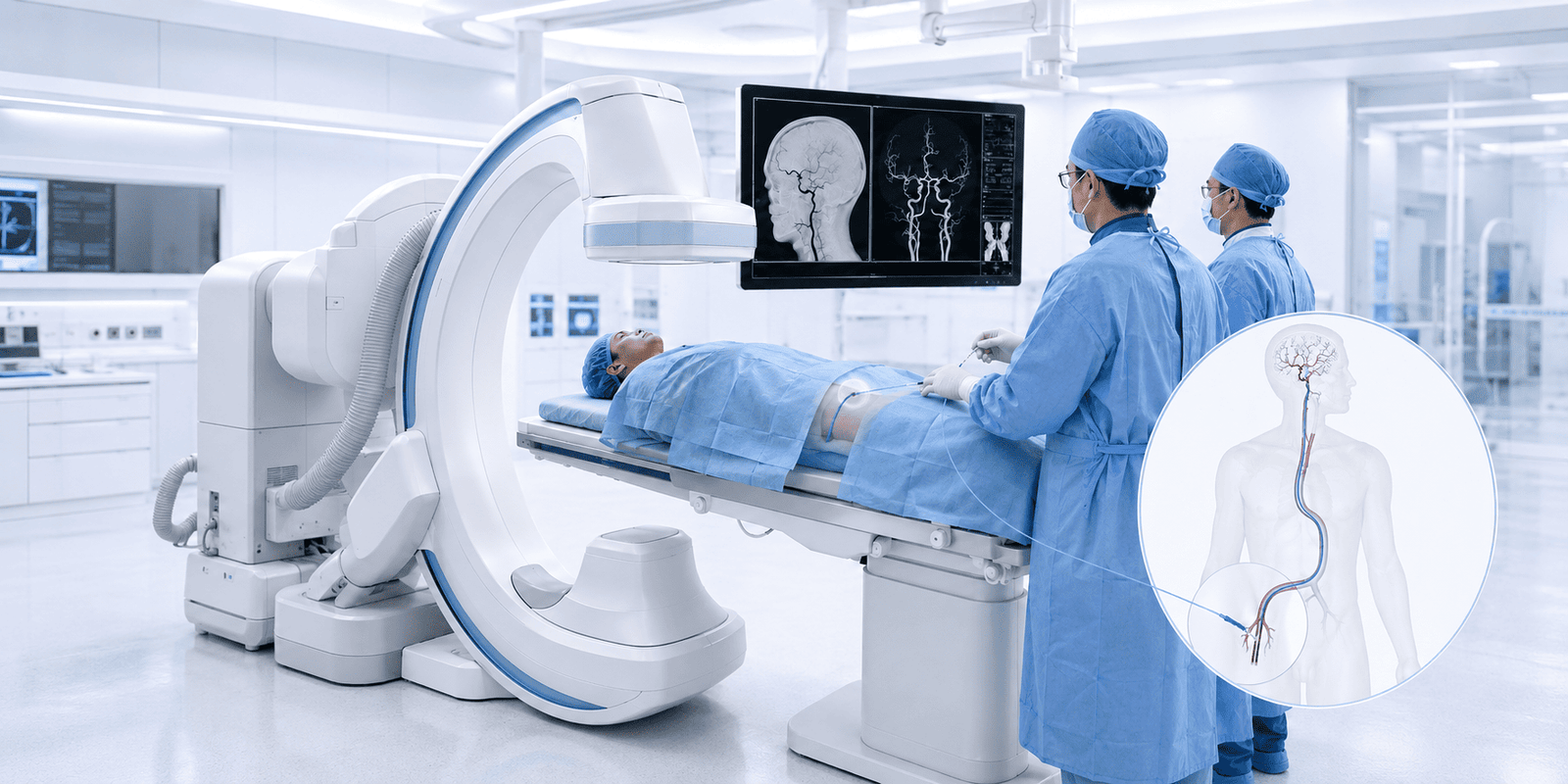
Diagnostic angiography is used to get a detailed map of brain and spinal blood vessels.
A small catheter is inserted through the groin or wrist artery.
Contrast dye is injected to make blood vessels visible on X-ray.
It helps detect aneurysms, AVMs, fistulae, carotid narrowing, and spinal vascular problems.
3D rotational angiography may be used for more precise planning.